Compare Top Financial Advisors
Matched to Your Specific Needs
Personalized Advice. No Match Fee.
No Obligation To Hire.
FINRA/SEC Registered Advisors
 Your Information is Safe and Secure



As featured on




WiserAdvisor Reviews
Note: The client testimonials appearing above may not necessarily be representative of all client experiences with WiserAdvisor. You may click on the number of total reviews hyperlinked above to review the entirety of the reviews WiserAdvisor has received. WiserAdvisor did not pay any compensation in consideration of such reviews.

Featured Financial Advisors
Search Advisor Directory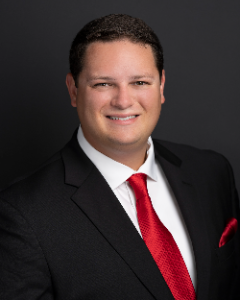
Justin Stanfill
Founding Partner
Cerrito & Stanfill Wealth Management
At Cerrito & Stanfill Wealth Management, we build portfolios with a Purpose In Mind. That Purpose is the one you outline to us in our planning process. Once we thoroughly understand what you are...
Read More

Alexander Mills
Casco Bay Wealth Advisors
Objective Financial Planning for the Future You Envision Our commitment to every relationship is why we believe our clients entrust us to guide their financial lives and recommend us to their...
Read More

Nathan Badowski
CFP®
Prudential
Prudential Advisors is a renowned financial services leader with a rich history of helping individuals and institutions pursue financial security and prosperity. We are dedicated to providing...
Read More

Michael Whitney
CFA®
Waverly Advisors
In 2022, our firm adopted the name Waverly Advisors, LLC, reflecting our commitment to long-term partnerships rooted in strength, trust, and deep connection. A Waverly is defined as a meadow filled...
Read More

Thomas "Casey" Loper
Cornerstone Wealth Management
Over the years, we have found that a team approach can be an effective method to help clients who have a wide variety of needs as they maneuver through a complex financial-services world. We invite...
Read More

Lance Huebner
CFP®
GFC Planning
GFC Planning exists to help people feel more confident in their financial life by addressing what matters most to them. We do so by simplifying the complexities of financial life, reducing stress,...
Read More
I Want to Take Charge.
Help me find and compare top vetted
financial advisors in my area.
FINRA/SEC Registered Advisors
Your Information is Safe and Secure
Latest Blog
11 min read
08 Jun 2026
Financial Planning for Entrepreneurs
Entrepreneurship is often seen as freedom. The freedom to build something of your own, make decisions independently, and grow at your own pace. But behind that idea sits a very different financial reality. One that is far less stable and far more demanding than most people expect. Unlike salaried roles,...
14 min read
04 Jun 2026
Tips to Minimize Estate Taxes with Proper Estate Planning
Estate planning often begins with the essentials. A will is put in place, beneficiaries are named, and key documents are organized with the expectation that assets will transfer smoothly when the time comes. For many professionals approaching retirement, this feels like the point where planning is complete. It is not....
10 min read
03 Jun 2026
How to Invest $1 Million in the Current Market
Wondering what to do with 1 million dollars? If you are looking for investment opportunities in the current market, there are several options you can consider. From traditional assets like stocks and bonds to newer options like cryptocurrencies, the investment landscape offers a wide range of choices. However, choosing the...
Popular Articles

10 Things Financial Advisors Don't Want You to Know
One premise I tell my clients up front is, "Don't believe anyone who tells you they are totally objective...

What is a Reasonable Rate of Return After Retirement?
Aiming for a high rate of return on your investments is natural, but the reality is that your actual returns will vary...

How to prepare for a meeting with your Financial Advisor
What do you do before you visit a doctor? Understand your condition, prepare for all the questions that...

Is It Worth Paying a Financial Advisor 1%?
Planning for retirement and growing your wealth is critical to achieving your financial aspirations...

Portfolio Managers vs. Investment Advisors: How Do the Two Differ?
When it comes to building and handling a portfolio, it often feels like a two-person job...


 Your Information is Safe and Secure